
Health Library
Why Increase Your Zepbound Dose Over Time?
March 3, 2026
Question on this topic? Get an instant answer from August.
TLDR:
• Zepbound doses go up gradually because your body needs time to adjust to medication.
• Starting low and increasing by 2.5 mg every four weeks reduces side effects and helps your provider find dose where you lose weight without feeling terrible.
• The maximum is 15 mg weekly, but many people do well at lower maintenance doses.
What Does Zepbound Dose Schedule Look Like?
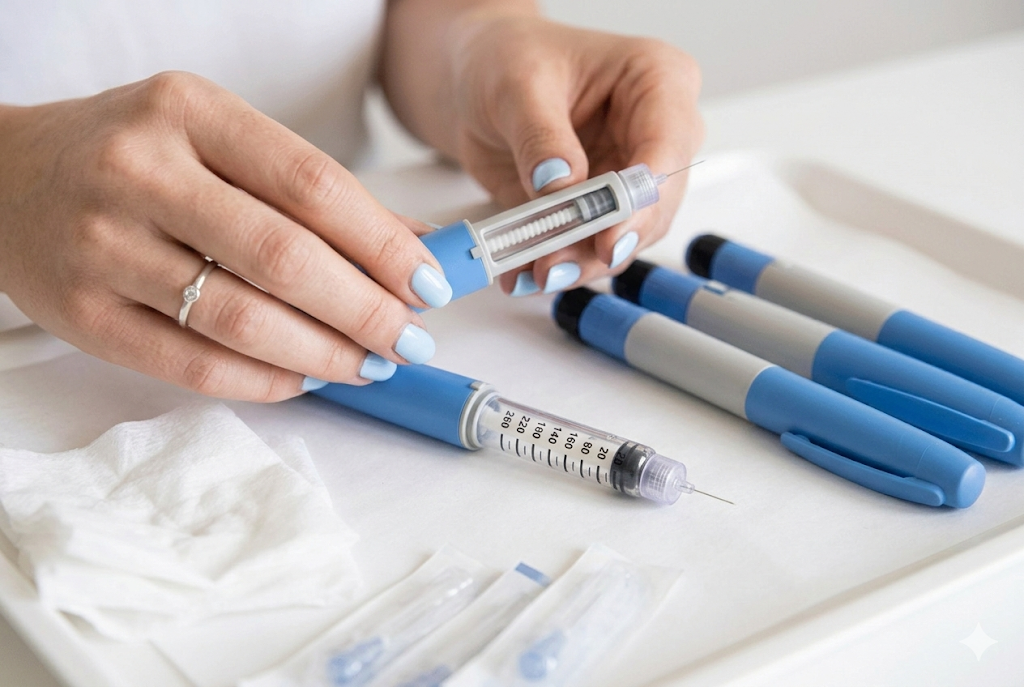
Zepbound (tirzepatide) starts at 2.5 mg once a week. That first dose is not really about weight loss. It is about letting your digestive system get used to drug before things ramp up.
After four weeks on 2.5 mg, dose typically goes to 5 mg. Then it can increase by 2.5 mg every four weeks after that. The available doses are 2.5 mg, 5 mg, 7.5 mg, 10 mg, 12.5 mg, and 15 mg.
One thing worth knowing is that 2.5 mg is not considered a maintenance dose. The FDA approved prescribing label for Zepbound view here makes it clear that 2.5 mg exists purely for treatment initiation. The approved maintenance doses for weight management are 5 mg, 10 mg, or 15 mg weekly.
Why Does Dose Need to Go Up?
Zepbound works by activating two hormone receptors in your body called GIP and GLP-1. These hormones slow down digestion, reduce your appetite, and help with blood sugar regulation. That is a lot of change happening inside your gut all at once.
If you jumped straight to a higher dose, your digestive system would not have time to catch up. That is when nausea, vomiting, and diarrhea hit hardest. People who try to rush process often end up feeling so sick that they quit medication altogether. The slow climb gives your body room to adjust at each level so you can actually stay on treatment.
Does a Higher Dose Actually Mean More Weight Loss?
It does, on average. The SURMOUNT-1 trial, a large 72-week study that looked at tirzepatide in adults with obesity, found a clear dose-dependent pattern:
• 5 mg: around 16% body weight loss
• 10 mg: around 21.4% body weight loss
• 15 mg: around 22.5% body weight loss
Those numbers come from a study published in The New England Journal of Medicine with over 2,500 participants. The results were significant across all three dose groups compared to placebo.
But here is thing. Higher doses also came with more gastrointestinal side effects. So goal is not to get everyone to 15 mg. The goal is to find dose where you are losing weight effectively and still feeling okay day to day. For some people that is 10 mg. For others it might be 5 mg. Your provider will figure that out with you over time based on how your body responds. You can read more about how that process works in this guide on tirzepatide maintenance dose after weight loss.
What Side Effects Come With Each Dose Increase?
Most people notice something when their dose goes up. It usually settles within a week or two.
The common ones include mild nausea that fades after a few days, softer stools or occasional diarrhea, constipation in some cases, a noticeable drop in appetite, and sometimes a slight dip in energy during that first week on a new dose.
Eating smaller meals throughout day helps. So does staying hydrated and cutting back on greasy or heavy foods during adjustment window. In clinical trials, only about 10% of people stopped Zepbound because of adverse effects. Most were able to push through temporary discomfort.
If your side effects are not settling after three or four weeks on a new dose, that is a sign to talk to your provider. They can pause increase, hold you at your current dose longer, or even step you back down. There is no rule that says you have to keep going up. For managing specific symptoms like soreness during dose changes, this piece on Zepbound body aches covers what to expect and what can help.
When Might Your Provider Slow Down or Pause?
There are a few situations where your provider will probably hold off on increasing your dose.
If you are already losing weight at a good pace on your current dose, there may be no reason to go higher. More medication does not always mean better results if things are already moving in right direction. Your provider may also pause if your side effects have not calmed down yet. Pushing to next level before your body has adjusted to current one just makes things harder.
Sometimes health changes like shifts in kidney function or starting a new medication can also affect how your body handles Zepbound. Your provider will take all of that into account.
Are There Rare but Serious Risks to Watch For?
A few things are uncommon but worth being aware of.
Pancreatitis is rare with Zepbound, but it can happen. Severe stomach pain that does not let up, especially if it spreads to your back, needs medical attention right away.
Gallbladder issues are another possibility, particularly with rapid weight loss. Gallstones can form when you lose weight quickly, so sudden upper abdominal pain after eating is something to flag with your provider.
The FDA label also carries a boxed warning about thyroid C-cell tumors found in animal studies. It is still unknown whether this risk applies to humans. But Zepbound is not recommended if you have a personal or family history of medullary thyroid carcinoma or Multiple Endocrine Neoplasia syndrome type 2. A detailed overview of tirzepatide's safety profile is available through NIH's StatPearls resource read here.
One more thing for people on oral birth control. Zepbound slows gastric emptying, which can reduce how well oral hormonal contraceptives work. Your provider may suggest a backup contraceptive method for four weeks after starting and after each dose increase.
Conclusion
Zepbound dose increases follow a deliberate, evidence based schedule designed to balance effectiveness with tolerability. Starting at 2.5 mg and moving up in small steps every four weeks gives your body time to adjust and helps your provider zero in on dose that works best for you. Not everyone needs maximum 15 mg. The right dose is one where you are seeing results and feeling well enough to keep going.
Health Companion
trusted by
6Mpeople
Get clear medical guidance
on symptoms, medications, and lab reports.