
Health Library
Mounjaro Alternatives: Other Options for Weight Loss and Diabetes
February 23, 2026
Question on this topic? Get an instant answer from August.
If Mounjaro is not working for you, is too expensive, or causing side effects you cannot tolerate, you have several alternatives worth discussing with your doctor. Some work through similar mechanisms, while others take a completely different approach.
Mounjaro (tirzepatide) a dual GIP and GLP-1 receptor agonist approved for type 2 diabetes and, under brand name Zepbound, for chronic weight management. It has shown impressive results in clinical trials. But it not only option, and right medication depends on your specific health goals, medical history, and how your body responds.
What Are Closest Alternatives to Mounjaro?
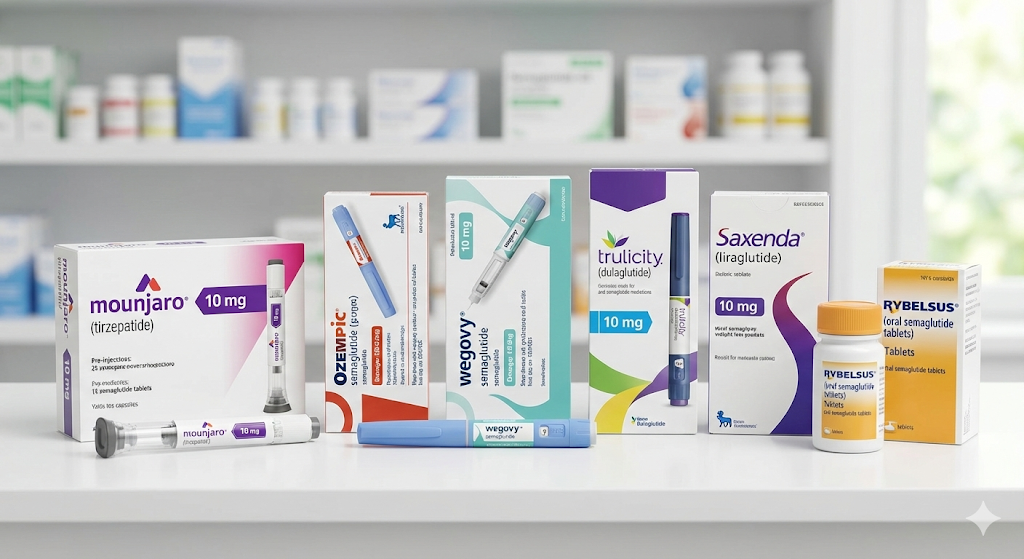
The medications most similar to Mounjaro are other GLP-1 receptor agonists. These drugs work through a related pathway by mimicking GLP-1 hormone, which helps regulate blood sugar, slow gastric emptying, and reduce appetite. The main difference is that Mounjaro targets both GIP and GLP-1 receptors, while alternatives below target GLP-1 alone.
Ozempic (semaglutide injection). This is most widely recognized alternative. Ozempic a once weekly injection approved for type 2 diabetes. In clinical trials, semaglutide has shown significant weight loss and blood sugar reduction. Many doctors prescribe it when Mounjaro unavailable or not covered by insurance.
Wegovy (semaglutide injection, higher dose). Wegovy contains same active ingredient as Ozempic but at a higher dose specifically approved for chronic weight management. If your primary goal weight loss rather than diabetes management, Wegovy is most direct FDA-approved alternative.
Trulicity (dulaglutide). Trulicity is another once-weekly GLP-1 injection approved for type 2 diabetes. It tends to produce less weight loss than semaglutide or tirzepatide, but it can be a good option for people who need blood sugar control with a more moderate side effect profile.
If you are weighing differences between these injectable options, this comparison breaks down how Trulicity and Ozempic stack up against each other: Trulicity vs Ozempic Comparison
Saxenda (liraglutide injection). Saxenda is a daily GLP-1 injection approved for weight management. It requires daily dosing rather than weekly, which some people find less convenient. The weight loss results tend to be more modest compared to semaglutide or tirzepatide.
Rybelsus (oral semaglutide). If you prefer a pill over an injection, Rybelsus is an oral form of semaglutide approved for type 2 diabetes. It must be taken on an empty stomach with a small sip of water, and you need to wait 30 minutes before eating or taking other medications. The weight loss with oral semaglutide tends to be lower than with injectable form, but it eliminates need for needles.
What About Non-GLP-1 Alternatives?
Not everyone needs or wants a GLP-1 based medication. There are other classes of drugs that can help with blood sugar control, weight management, or both.
Metformin. This is usually first medication prescribed for type 2 diabetes. It works by reducing glucose production in liver and improving insulin sensitivity. Metformin can produce modest weight loss, typically 2 to 5 pounds. It very affordable and has decades of safety data behind it.
SGLT2 inhibitors (empagliflozin, dapagliflozin, canagliflozin). These medications work by preventing your kidneys from reabsorbing glucose, causing excess sugar to leave through your urine. They can produce modest weight loss, typically 4 to 6 pounds, and have additional benefits for heart and kidney health.
Contrave (naltrexone/bupropion). This is an oral combination medication approved for chronic weight management. It works on brain pathways that control appetite and cravings. Contrave not related to GLP-1 drugs and can be an option for people who cannot tolerate injectable medications. Average weight loss in clinical trials was about 5% to 6% of body weight.
Qsymia (phentermine/topiramate). This is another oral combination approved for weight management. It combines a mild appetite suppressant with a medication originally used for seizures and migraines. Qsymia tends to produce more weight loss than Contrave but comes with more restrictions, including a risk assessment program due to potential birth defects.
How Do These Alternatives Compare on Weight Loss?
To give you a general sense of how these options stack up, here is a rough comparison of average weight loss seen in clinical trials:
- Mounjaro (tirzepatide) 15 mg: Up to 20-25% of body weight over 72 weeks
- Wegovy (semaglutide) 2.4 mg: About 15-17% of body weight over 68 weeks
- Ozempic (semaglutide) 1-2 mg: About 8-14% of body weight (diabetes indication)
- Trulicity (dulaglutide) 4.5 mg: About 4-5% of body weight
- Saxenda (liraglutide) 3 mg: About 5-8% of body weight
- Contrave: About 5-6% of body weight
- Qsymia (high dose): About 9-10% of body weight
These are averages from clinical trials. Individual results vary quite a bit. The right medication for you depends on more than just weight loss numbers. It also depends on your diabetes status, cardiovascular risk, kidney health, insurance coverage, and tolerance for side effects.
According to FDA, Zepbound (weight management version of tirzepatide) was approved based on trials showing that patients on highest dose lost an average of about 18% of body weight at 5 mg dose, 20% at 10 mg, and 21% at 15 mg over 72 weeks. You can review full FDA approval details here: FDA Approval of Zepbound for Weight Management

What If You Are Switching From Mounjaro to Another Medication?
Switching between GLP-1 medications requires careful dosing adjustments. You cannot simply swap Mounjaro for Ozempic at same dose because drugs have different potencies and titration schedules.
Your doctor will typically start you at a low dose of new medication and gradually increase it, just as you would if you were starting fresh. This helps minimize GI side effects like nausea, vomiting, and diarrhea, which tend to be worst during early weeks of any GLP-1 therapy.
If you are considering a switch from semaglutide to tirzepatide or other way around, this explains how dosing conversion works: Semaglutide to Tirzepatide Conversion
A Word About Compounded Versions
You may have seen compounded versions of semaglutide or tirzepatide marketed online, often at lower prices. The FDA has raised concerns about these products because they do not undergo same review for safety, effectiveness, and quality as FDA-approved drugs. Some compounded versions use different salt forms of active ingredient that are not identical to what in approved medications.
If cost a barrier, your doctor may be able to help you access manufacturer savings programs, insurance appeals, or alternative medications that are covered by your plan.
Bottom Line
Mounjaro is a powerful medication, but it far from only option. Ozempic, Wegovy, Trulicity, Saxenda, and Rybelsus all work through related GLP-1 pathways. Non-GLP-1 options like metformin, SGLT2 inhibitors, Contrave, and Qsymia offer different approaches. The best alternative depends on whether your main goal blood sugar control, weight loss, or both, and what your body can comfortably tolerate. Your doctor can help you weigh trade offs and find right fit.
Health Companion
trusted by
6Mpeople
Get clear medical guidance
on symptoms, medications, and lab reports.