
Health Library
Does Baking Soda Actually Help With Erectile Dysfunction?
March 3, 2026
Question on this topic? Get an instant answer from August.
TL;DR
• There is no scientific evidence that drinking baking soda improves erections or treats erectile dysfunction.
• The online claim is based on idea that alkalizing the body boosts blood flow, but your body already regulates its own pH tightly regardless of what you consume.
• Overusing baking soda carries real health risks, including dangerously high sodium intake, electrolyte imbalances, and stomach problems.
Where Did This Idea Come From?
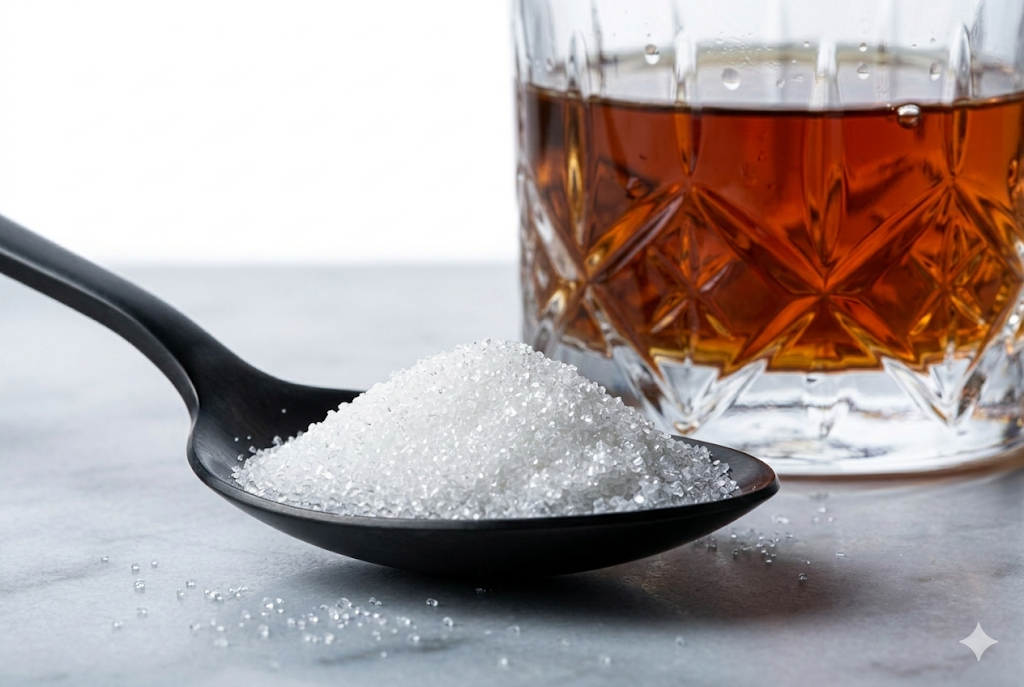
The "baking soda trick" for ED has been circulating on social media and health forums for a while now. The basic claim goes like this: dissolve half a teaspoon to one teaspoon of baking soda (sodium bicarbonate) in water, drink it before sex, and it will improve your erection by making your body more alkaline and increasing blood flow.
It sounds simple and cheap. And that is exactly why it spreads so easily. But problem is that there is no clinical trial, no published study, and no medical guideline that supports baking soda as a treatment for erectile dysfunction. Not one.
The only published research that even connects sodium bicarbonate to ED comes from a 1993 study view here that looked at adding bicarbonate to injection-based ED medications to reduce penile pain from acidity of those injections. It had nothing to do with drinking baking soda to improve erections. That study gets misrepresented constantly in online health content.
Why Doesn't It Work Way People Claim?
The theory behind trick is that baking soda raises your blood pH, which relaxes blood vessels, which increases blood flow to penis. Each step of that chain has a problem.
Your body already regulates blood pH extremely tightly. Your kidneys and lungs work together to keep it within a narrow range of about 7.35 to 7.45. Drinking a glass of baking soda water might create a brief, mild shift, but your body corrects it almost immediately. You are not going to meaningfully change your blood pH with a kitchen ingredient.
Even if you could shift your pH, erections depend on much more than general blood flow. They require a complex chain of events involving nerve signals, nitric oxide release, smooth muscle relaxation in penile tissue, and adequate hormonal levels. A slight and temporary pH change does not address any of those mechanisms in a clinically meaningful way.
There is some research showing that sodium bicarbonate can improve short burst athletic performance by buffering lactic acid in muscles. But improving a 400 meter sprint and improving an erection are very different physiological processes. The muscle performance data does not translate to sexual function.
What Are Risks of Using Baking Soda This Way?
This is part that often gets skipped in online posts promoting trick.
One teaspoon of baking soda contains roughly 1,260 milligrams of sodium. The general daily recommended limit for sodium is about 2,300 milligrams. So a single dose of baking soda water puts you at more than half your daily sodium limit before you eat anything.
For men who already have high blood pressure, heart disease, or kidney problems, that extra sodium can make things worse. High sodium intake raises blood pressure, which is actually one of most common underlying causes of erectile dysfunction in first place. So remedy could theoretically worsen very thing you are trying to fix.
Other potential risks of regular baking soda consumption include gas, bloating, nausea, and stomach cramps. In more serious cases, overuse can lead to metabolic alkalosis, a condition where blood becomes too alkaline. Symptoms of metabolic alkalosis include muscle twitching, hand tremors, irritability, and in severe cases, cardiac arrhythmias.
Baking soda can also interact with certain medications, including antibiotics and heart medications, by changing how they are absorbed or processed. If you take any prescription drugs, adding baking soda to your routine without telling your provider is not a great idea.
What Actually Causes ED?
Understanding why ED happens makes it easier to see why baking soda is not answer.
Erectile dysfunction usually stems from one or more of these categories: vascular issues (most common cause, often tied to heart disease, high blood pressure, or diabetes), hormonal imbalances (especially low testosterone), nerve damage (from conditions like diabetes or spinal injuries), medication side effects (blood pressure drugs, antidepressants, and others), and psychological factors (stress, anxiety, depression, or relationship issues).
In most cases, ED is a signal that something else in body needs attention, particularly cardiovascular health. That is why treating ED properly often involves treating underlying condition, not just symptom.
If your ED is related to blood flow issues, things like regular exercise, weight management, and quitting smoking have strong evidence behind them. Certain foods and nutrients also play a role. For a practical look at what dietary choices can support blood flow and erectile health, this guide on foods for harder erections covers research-backed options.
What Treatments Actually Have Evidence?
If you are looking for something that works, first-line medical treatment for ED is a class of drugs called PDE5 inhibitors. These include sildenafil (Viagra), tadalafil (Cialis), vardenafil (Levitra), and avanafil (Stendra). They work by enhancing effect of nitric oxide, molecule your body naturally uses to relax penile blood vessels and allow blood flow during arousal.
PDE5 inhibitors have been studied extensively in large clinical trials and are FDA-approved for ED. They work for majority of men who try them when used correctly and under medical supervision.
Beyond medication, several lifestyle changes have solid evidence behind them. Regular aerobic exercise improves vascular function across board, including blood flow to penis. Managing conditions like diabetes and high blood pressure directly addresses root causes of many ED cases. Reducing alcohol intake and quitting smoking also make a measurable difference.
For men dealing with mild or situational ED, issue sometimes resolves on its own with time and lifestyle adjustments. If you are wondering whether your situation might improve without medication, this piece on how long temporary ED lasts walks through what to expect and when to seek help.
Psychological counseling or therapy can also help when anxiety, stress, or relationship problems are contributing to ED. This is more common than people realize, especially in younger men.
Conclusion
Baking soda is not a treatment for erectile dysfunction. There is no clinical evidence behind claim, and risks of overusing it, especially sodium load, can actually work against you if cardiovascular health is part of problem. If you are dealing with ED, most effective path is an honest conversation with a healthcare provider who can figure out what is causing it and recommend something that is actually proven to help.
Health Companion
trusted by
6Mpeople
Get clear medical guidance
on symptoms, medications, and lab reports.